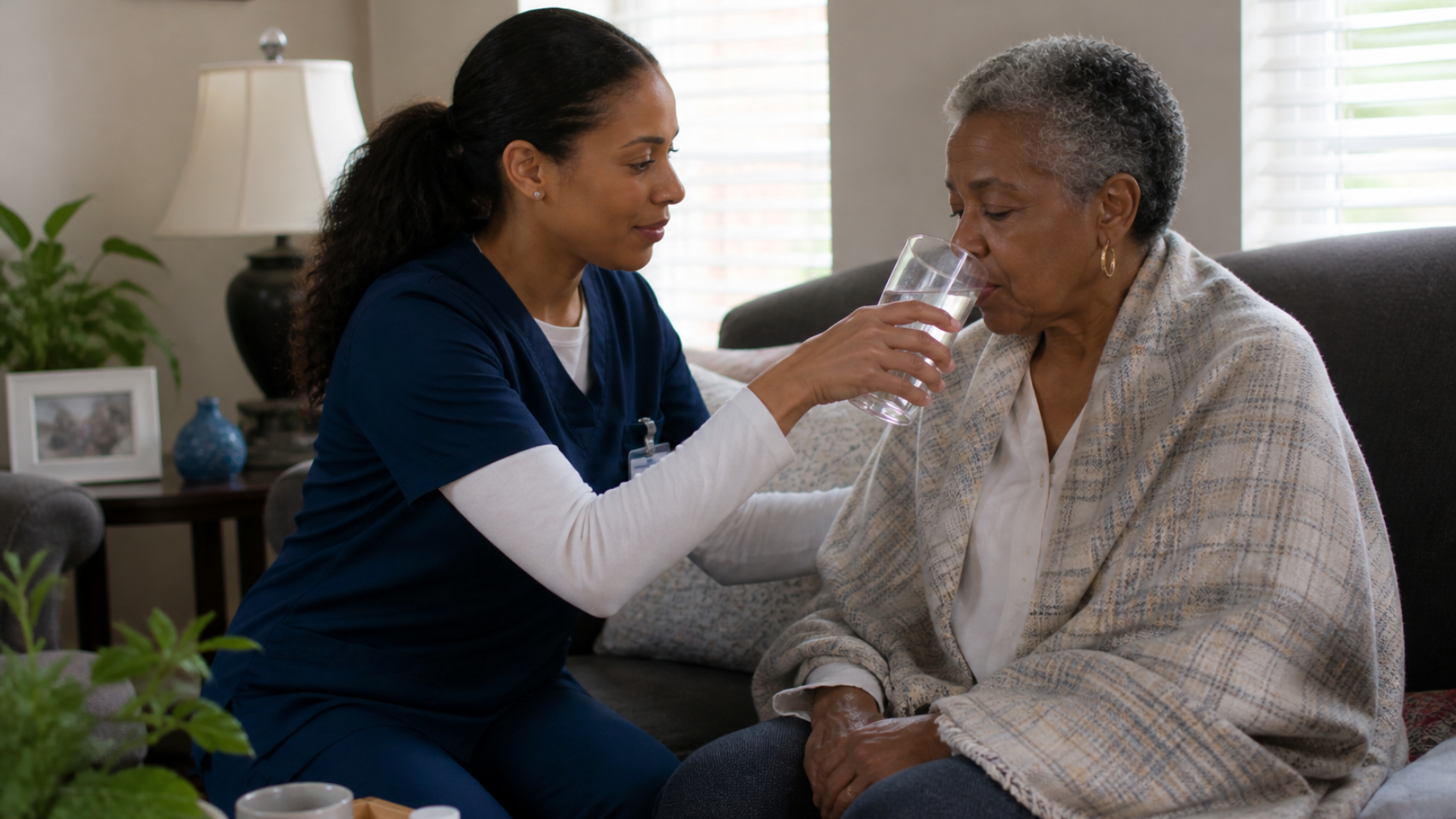
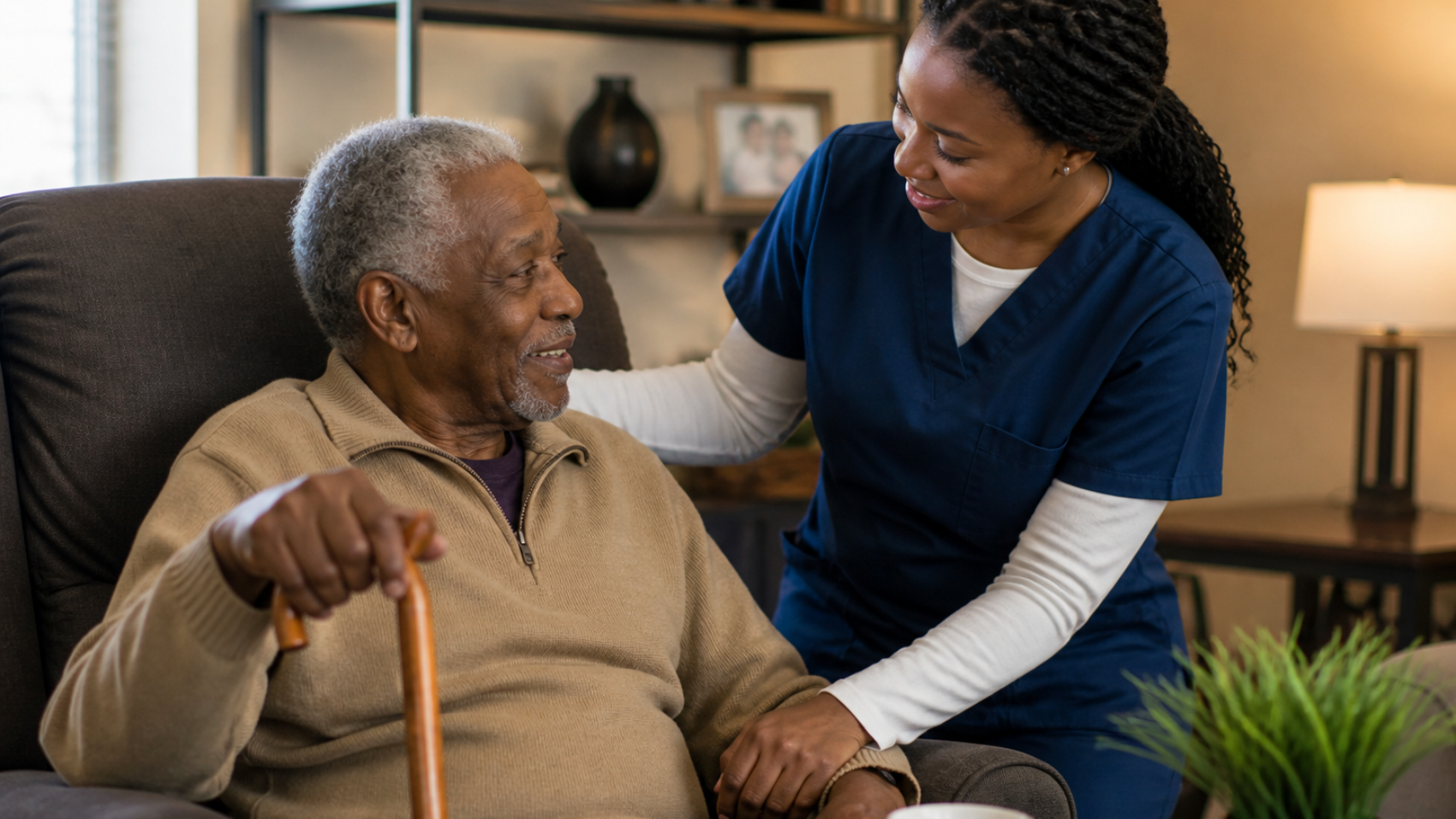
Caregiver providing home health care Maryland support to an elderly woman in a comfortable in-home setting.

Home Health Care Maryland Families Can Count On for In-Home Help

When families start looking into home health care Maryland, they usually want the same thing: dependable care that keeps a loved one safe at home without sacrificing dignity or peace of mind. At Compassionate Hearts Health Care, our approach is built around consistency, respect, and clear communication—so families understand what care includes and what to expect next. To see the types of in-home support we provide, visit our services page.

Home-based care is not one-size-fits-all. Needs change over time, and the right care plan should be able to adjust without creating confusion. Whether a family is preparing for a transition home after a medical event or planning ahead for long-term support, the focus is the same: create stability at home while ensuring care is delivered responsibly.

Why Home-Based Care Matters Across Maryland

Many individuals prefer to remain at home because it allows them to keep familiar routines, maintain connections with family, and stay in a space that feels comfortable. For families, home-based care can also make it easier to stay involved and informed.

Home health care can support:

  • Safety and daily stability at home
  • Reliable routines that reduce stress on families
  • Organized care that aligns with changing needs
  • Ongoing support that respects personal preferences

For a high-level overview of how home health services are defined and when they may be covered, Medicare provides a helpful explanation here: Medicare home health services.

What Home Health Care Can Include

Home health care is a broad category that can involve different levels of support depending on the situation. Some care plans prioritize daily assistance, while others involve more structured clinical oversight. The right approach depends on what the client needs and what the family is trying to accomplish—whether that’s recovery, stability, or ongoing support.

Families often begin by asking practical questions:

  • What kind of help is needed right now?
  • Is the care need short-term or ongoing?
  • Who should be involved in the care plan?
  • How do we keep care organized and consistent?

These are reasonable questions. Care at home can be incredibly supportive—but only when expectations are clear and the plan is grounded in real needs.

Making Care Plans Clear and Manageable

One of the biggest challenges families face is uncertainty—especially when multiple people are involved in care decisions. A strong home care plan should reduce confusion, not add to it. That means aligning schedules, responsibilities, and communication so everyone understands what is happening and why.

In many situations, families are balancing work, children, appointments, and caregiving responsibilities at the same time. Structured home-based care helps reduce pressure by creating a reliable plan that supports both the client and the family.

If you’re looking for trusted, general health guidance on aging, caregiving, and common health topics, the National Institute on Aging offers strong educational resources here: National Institute on Aging.

How Families Know It’s Time to Seek In-Home Support

Families rarely start this process because it’s convenient. More often, something changes and the current situation becomes harder to manage. Some common reasons families begin exploring in-home care include:

  • A hospital discharge that requires additional support at home
  • Noticeable changes in mobility, balance, or endurance
  • Difficulty keeping up with daily routines safely
  • Increased caregiver stress or burnout

In these moments, the value of home support is not just “help.” It’s structure, reliability, and safety—delivered in a way that still feels personal.

Sometimes families begin with home care Fort Washington MD support when daily needs increase and more consistent help is required. In other cases, the care plan includes clinical support depending on the medical situation.

Supporting Families in Fort Washington and Beyond

Families in Fort Washington often want care that is consistent, professional, and easy to coordinate—especially when health needs are changing. When families research home health care Fort Washington, they’re usually not looking for vague promises. They want a clear plan, a steady approach, and a provider that respects the home environment.

Home-based care works best when it is delivered with reliability and communication—so families can focus on their loved one, not constant logistical problem-solving.

How Clinical Support Fits into Home Health Care

Not every client needs clinical-level services, but when they do, it’s important that the care plan reflects that. In some situations, clinical oversight may be necessary for safety and stability. That’s where nursing services may be part of the broader home health approach.

For example, families may explore skilled nursing Fort Washington support when a loved one requires medical-level oversight in the home. Skilled nursing is different from general assistance because it involves licensed clinical care aligned with a structured plan.

If you want an independent reference for understanding the role of home health care and clinical services, MedlinePlus provides a broad, non-commercial health library here: MedlinePlus.

What Sets a Trustworthy Home Health Provider Apart

When you’re choosing a provider, it’s reasonable to look beyond the basics. Families deserve care that feels stable, respectful, and professional—not unpredictable or unclear.

A trustworthy in-home care experience typically includes:

  • Clear communication and consistent expectations
  • Respect for the client’s routines, preferences, and privacy
  • Professional standards and reliable follow-through
  • A care plan that can adjust when needs change

Home-based care is personal. It happens inside a client’s home, which means professionalism and respect matter at every step.

If you’d like to learn more about our mission and the values guiding our approach to care, you can visit our about page.

A Steady Path Forward for Maryland Families

Choosing home health care Maryland services is often about creating stability during a time of change. Families want support they can rely on—care that is structured, respectful, and aligned with what a loved one truly needs.

At Compassionate Hearts Health Care, we focus on delivering in-home support that protects dignity and helps families feel confident in the care plan. When care is consistent and communication is clear, home can remain what it should be: a place of comfort, familiarity, and safety.

What is home health care in Maryland?

Home health care in Maryland refers to supportive services delivered in a person’s home to help maintain safety, comfort, and daily stability. Depending on individual needs, care may include assistance with daily routines or clinical-level oversight as part of a structured care plan.

Who typically needs home health care?

Families often consider home health care after a hospital discharge, a change in mobility, or when daily activities become difficult to manage safely. In-home care can provide additional structure and support while allowing individuals to remain in a familiar environment.

Is home health care the same as non-medical home care?

Not always. Some home health care services focus on daily assistance, while others may involve clinical support depending on the care plan. The type of service provided depends on the client’s specific needs and level of required oversight.

Licensed nurse providing skilled nursing Fort Washington care to an elderly woman in a wheelchair inside her home.

Skilled Nursing Fort Washington Families Can Rely On for In-Home Support

Choosing skilled nursing Fort Washington care is often about protecting a loved one’s health while keeping life as steady and familiar as possible. At Compassionate Hearts Health Care, we provide in-home nursing support with a clinical mindset and a compassionate approach—so families feel informed, supported, and confident. You can see the full scope of our care options on our services page.

For many families, the need for skilled nursing shows up after a hospital stay, a change in health status, or a new level of ongoing medical complexity. In those moments, having licensed nursing support in the home can help reduce preventable complications, keep care organized, and relieve pressure on family caregivers.

What Skilled Nursing Means in the Home

Skilled nursing is not basic help around the house. It refers to clinical care delivered by licensed professionals, based on a care plan and aligned with a patient’s medical needs. In a home setting, that can include nursing oversight, monitoring, and support that helps clients remain safe and stable day to day.

The key difference is that skilled nursing involves medical judgment and professional standards of care—delivered in a way that respects the home environment. Families typically seek skilled nursing when care needs extend beyond what non-medical support can safely address.

Why In-Home Skilled Nursing Matters for Families

When care is delivered at home, it can support routine, comfort, and continuity—especially for older adults or clients managing ongoing health needs. In-home care also allows families to stay closely involved without having to coordinate everything alone.

Skilled nursing can help families by:

  • Supporting safe transitions after hospitalization or a change in condition
  • Providing structured oversight when health needs feel uncertain
  • Helping reduce the risk of missed steps in a care routine
  • Offering clear communication and professional documentation

For people who are comparing home health care Maryland options, it’s helpful to understand where skilled nursing fits within the broader in-home care landscape. Skilled nursing is designed for clinical needs, and it can also work alongside additional support depending on a client’s situation.

Common Situations That Lead Families to Seek Skilled Nursing

Families rarely start their search because they “just want help.” More often, there is a clear reason the need has changed. Some of the most common decision points include:

  • A hospital discharge that includes instructions requiring professional oversight
  • A chronic condition that needs regular monitoring or management support
  • A medication routine that has become complicated or high-risk
  • A noticeable decline in mobility, strength, or daily stability

In these situations, skilled nursing Fort Washington care can create structure and reassurance. It also helps families avoid guessing whether they’re doing the “right thing” when the stakes feel high.

If you want a straightforward overview of what home-based services can include, Medicare’s overview of home health services can be a useful starting point: Medicare home health services.

The Difference Between Skilled Nursing and Non-Medical Support

One of the biggest sources of confusion is the difference between nursing care and general home support. Non-medical caregivers may help with daily living tasks, while skilled nursing is focused on clinical needs and safety.

Some clients need both—especially when medical needs and daily living needs overlap. For example, a family might start by exploring home care Fort Washington MD support for day-to-day assistance, then realize clinical oversight is also necessary to keep health routines consistent and safe.

The most effective care plans are the ones that match the actual needs—without overpromising, under-supporting, or leaving families to fill gaps on their own.

How Skilled Nursing Supports Continuity of Care

Home-based nursing care works best when it supports continuity. That means care is delivered consistently, changes are noticed early, and communication is clear.

At a practical level, continuity matters because:

  • Health conditions can change quickly without obvious warning signs
  • Small issues can become larger issues if routines break down
  • Family members deserve clarity about what’s happening and why

Families searching for home health care Fort Washington often want the same thing: dependable care that makes the situation feel more manageable and less uncertain.

For additional general health information about recovering at home or managing medical care routines, MedlinePlus is a helpful, non-commercial resource: MedlinePlus.

What Families Should Expect from a Skilled Nursing Provider

When you’re evaluating providers, it’s reasonable to look for professionalism, clear communication, and a respectful approach—not just availability.

A strong skilled nursing relationship typically includes:

  • A clear understanding of the care plan and the goals of care
  • Reliable documentation and consistent standards
  • Respect for the client’s home, preferences, and routines
  • A steady tone and calm presence—especially during stressful moments

We believe clinical care should feel human. Families should not feel like they’re navigating a medical system alone inside their own home.

If you’d like to understand more about who we are and what guides our approach, you can read more on our about page.

Why Dignity and Communication Are Part of Quality Care

Clinical support is only one part of what families experience. The other part is trust—built through respectful interactions, consistent follow-through, and communication that doesn’t leave people guessing.

In-home care is personal. That means nursing support has to be delivered with professionalism and a respectful, calm approach. We aim to make care feel steady and supportive, not disruptive.

A Practical Way to Think About the Next Step

If you’re considering skilled nursing Fort Washington support, it helps to focus on what you need most right now:

  • Is there a clinical routine that needs professional oversight?
  • Are you trying to prevent setbacks after a health event?
  • Do you need structure, monitoring, and consistency at home?

Skilled nursing exists to bring safety and stability into the home in a way that supports both the client and the family.

At Compassionate Hearts Health Care, our goal is to provide care that is clinically sound, clearly communicated, and grounded in respect—so families feel supported through every stage of the process.

What is skilled nursing in Fort Washington?

Skilled nursing in Fort Washington refers to licensed nursing care delivered in the home under a structured care plan. It involves clinical oversight and medical-level support provided by qualified professionals to help ensure safety, stability, and proper care coordination.

Who typically needs skilled nursing care at home?

Skilled nursing is often appropriate for individuals recovering from a hospital stay, managing chronic health conditions, or requiring structured medical monitoring at home. Families usually seek skilled nursing when care needs go beyond general assistance and require professional clinical oversight.

How is skilled nursing different from non-medical home care?

Non-medical home care focuses on assistance with daily living activities. Skilled nursing involves licensed professionals providing medical-level services based on an established care plan. The difference lies in the clinical responsibility and oversight involved in nursing care.

Caregiver assisting elderly man with meal during senior home care visit in Fort Washington

Senior Home Care in Fort Washington: Supporting Aging with Dignity

Aging brings change. Sometimes those changes are subtle — slower movement, increased fatigue, forgetfulness. Other times, they are sudden. Senior home care in Fort Washington provides structured support that allows older adults to age in place safely while maintaining as much independence as possible. Through personalized Services, families can create care plans that match changing needs while preserving dignity.

Aging at home is often the preference. With the right support, it can also be the safest choice.

What Senior Home Care Provides

Senior home care focuses on non-medical assistance that helps with daily living activities.

Support may include:

  • Assistance with bathing and dressing
  • Meal preparation
  • Mobility assistance
  • Medication reminders
  • Light housekeeping
  • Transportation support
  • Companionship

Each care plan is personalized.

The Importance of Aging in Place

Aging in place allows seniors to:

  • Remain in familiar surroundings
  • Maintain routines
  • Stay connected to neighbors and community
  • Experience emotional stability

Research consistently shows that familiarity supports cognitive and emotional well-being.

Safety and Structure in Daily Living

Small changes can increase fall risk or medication confusion. Structured in-home care reduces these risks through:

  • Routine monitoring
  • Mobility assistance
  • Environmental awareness
  • Regular communication with family

Prevention is often more powerful than reaction.

Supporting Family Caregivers

Adult children often carry invisible stress when caring for aging parents.

Professional senior home care provides:

  • Relief from daily caregiving tasks
  • Confidence that loved ones are monitored
  • Clear communication about care updates

Care is not just for the client. It supports the whole family.

Local Care in Fort Washington

Community matters. Familiar caregivers, consistent scheduling, and proximity create stability.

Serving Fort Washington ensures responsiveness and continuity for families who need dependable support.

Compassion at the Center

Senior home care is about more than tasks. It is about preserving dignity, respecting life experience, and honoring personal history.

Families seeking senior home care in Fort Washington are looking for trust, structure, and compassion — delivered consistently. To begin planning care or speak with a care coordinator, families can connect directly through the Contact page.

What is senior home care in Fort Washington?

Senior home care in Fort Washington provides non-medical assistance that helps older adults remain safely in their homes. Services typically include personal care, meal preparation, mobility support, medication reminders, and companionship.

Who benefits from senior home care?

Senior home care is ideal for aging adults who need help with daily activities but wish to remain independent at home. It also supports families who want structured, reliable assistance for their loved ones.

Is senior home care personalized?

Yes. Care plans are customized based on individual needs, health conditions, mobility levels, and family preferences. Services can be adjusted as needs change.

How does senior home care improve safety?

Professional caregivers provide routine monitoring, mobility support, and environmental awareness to reduce fall risks and prevent medication confusion. Structured care promotes consistency and stability.

Professional caregiver assisting senior man in wheelchair during in-home visit in Fort Washington MD

Home Care in Fort Washington MD: Personalized Support Where It Matters Most

When families begin searching for home care in Fort Washington MD, it is rarely casual. It often comes after a hospital discharge, a fall, a diagnosis, or a quiet realization that daily tasks are becoming harder. Home care is not just about assistance. It is about preserving dignity, independence, and peace of mind. Compassionate Hearts Healthcare provides structured, dependable in-home care designed to support both clients and their families through clearly defined Services tailored to individual needs.

What Home Care Really Means

Home care allows individuals to remain in familiar surroundings while receiving needed assistance.

Services may include:

  • Personal care support
  • Bathing and grooming assistance
  • Meal preparation
  • Medication reminders
  • Mobility support
  • Light housekeeping
  • Companionship

The goal is not to take over. It is to support independence safely.

Why Families Choose In-Home Care

For many families in Fort Washington, institutional care is not the first choice. Remaining at home provides:

  • Comfort of familiar surroundings
  • Maintenance of daily routines
  • Emotional stability
  • Greater family involvement

Home care supports quality of life without unnecessary disruption.

Professional Caregiver Services

Trust is foundational in home healthcare.

Professional caregiver services emphasize:

  • Background-screened staff
  • Structured care plans
  • Ongoing supervision
  • Clear communication with families
  • Respect for client autonomy

Consistency builds confidence.

Supporting Families During Transitions

Often, home care begins after:

  • Hospital discharge
  • Surgery
  • Chronic illness progression
  • Mobility changes
  • Memory decline

Transitions can feel overwhelming. A structured care plan reduces uncertainty.

Serving Fort Washington and Surrounding Communities

Compassionate Hearts Healthcare serves families throughout Fort Washington and surrounding Prince George’s County communities.

Local understanding matters. Familiarity with area hospitals, resources, and community networks strengthens continuity of care.

Care Rooted in Compassion

Home care is deeply personal. It touches daily routines, private spaces, and vulnerable moments.

Choosing home care in Fort Washington MD should feel reassuring — not stressful. With structured support and compassionate caregivers, families can feel confident their loved ones are cared for with dignity and respect. Families ready to begin care planning can reach out directly through the Contact page.

What services are included in home care in Fort Washington MD?

Home care in Fort Washington MD typically includes personal care assistance, bathing and grooming support, meal preparation, medication reminders, mobility assistance, light housekeeping, and companionship. Services are structured to promote safety and independence while allowing individuals to remain in their homes.

Who benefits from home care services?

Home care is ideal for seniors, individuals recovering from surgery or hospitalization, and those managing chronic illnesses or mobility challenges. Families who want their loved ones to remain in a familiar environment often choose in-home care as a supportive alternative to facility-based care.

How do I know when it is time to consider home care?

Families often begin considering home care after a hospital discharge, a fall, noticeable memory changes, or difficulty managing daily activities. If routine tasks such as bathing, meal preparation, or medication management become challenging, professional support may help maintain safety and independence.

Caregiver providing compassionate in-home support to an elderly woman in a living room setting in Maryland

Maryland Home Health Care Designed to Support Families With Confidence and Care

Choosing Maryland home health care is a decision that often comes during moments of transition, uncertainty, or long-term planning. For families navigating changing health needs, having clear information and dependable guidance helps ensure care choices feel thoughtful, supportive, and aligned with personal values. At Compassionate Hearts Health Care, our role is to help families understand their options while providing care rooted in consistency, respect, and compassion.

As more families explore care at home, understanding how support is structured—and what distinguishes reliable providers—becomes increasingly important. Quality care is not defined by services alone, but by how well support adapts to the individual, preserves independence, and evolves over time.

Understanding How Home-Based Care Supports Daily Living

Maryland home health care allows individuals to receive professional support while remaining in the comfort of their own homes. This approach is especially valuable for those recovering from illness, managing ongoing conditions, or needing assistance with daily routines while maintaining familiar surroundings.

Rather than following a rigid structure, effective care prioritizes flexibility. Plans are designed to reflect changing needs, preferences, and schedules, allowing individuals to continue daily life with confidence and dignity. An overview of how we approach individualized support can be found on our Services page, where we outline how care adapts at different stages of need.

Many families choose Maryland home health care because it bridges the gap between independence and necessary assistance, reducing disruption while promoting stability.

Why Families Turn to Home Health Care in Maryland

Families often begin exploring care options after a hospital discharge, new diagnosis, or noticeable changes in mobility or routine. Planning ahead allows decisions to be made thoughtfully rather than under pressure.

Home Health Care in Maryland helps families:

  • Set realistic expectations for support
  • Coordinate care alongside medical providers
  • Reduce stress during periods of transition
  • Maintain consistency in daily routines

When planning happens early, individuals and families are better positioned for long-term well-being.

What Defines Quality Care at Home

Not all providers approach care the same way. Quality Maryland home health care is built on structure, accountability, and communication.

Thoughtful Care Planning

Care begins with understanding the individual. Plans should reflect physical needs, daily routines, and personal preferences while remaining adaptable as circumstances change.

Ongoing Oversight

Dependable providers ensure caregivers are supported through supervision, training, and clear expectations, creating consistency and reliability for clients and families.

Respect for Independence

Effective care supports individuals without removing autonomy. Encouraging participation in daily decisions helps preserve confidence and dignity.

When these elements are in place, care feels supportive rather than intrusive.

The Role of In-Home Support

In-home care extends beyond medical assistance. It supports the everyday activities that allow individuals to remain engaged in their lives.

This often includes:

  • Assistance with personal routines
  • Support with mobility and safety
  • Medication reminders
  • Companionship and engagement
  • Light household support

By addressing both practical and emotional needs, Maryland home health care helps individuals remain active participants in their own routines.

How Consistency Strengthens Long-Term Well-Being

Consistency plays a meaningful role in care outcomes. Familiar caregivers, predictable schedules, and stable environments help reduce anxiety and promote trust.

Over time, consistent Maryland home health care can:

  • Support emotional stability
  • Encourage cognitive engagement
  • Improve daily functioning
  • Strengthen caregiver relationships

For many families, care becomes a long-term partnership rather than a short-term solution.

Communication as a Cornerstone of Care

Clear communication ensures care remains aligned with evolving needs. Families should feel informed, involved, and confident in the support being provided.

Strong providers prioritize:

  • Regular updates
  • Clear documentation
  • Collaboration with healthcare professionals
  • Responsiveness to questions or concerns

This transparency helps families stay engaged without feeling overwhelmed.

Supporting the Entire Family

Care affects more than the individual receiving support. Family members often experience emotional and physical strain while balancing responsibilities.

Home health care services in Maryland provide professional support that allows families to focus on connection rather than constant coordination. This balance helps sustain healthy family dynamics over time.

The Value of Local Experience

Providers with local experience understand regional healthcare systems, community resources, and cultural considerations. This familiarity allows care to be delivered with greater awareness and coordination.

At Compassionate Hearts Health Care, our commitment to Maryland families is grounded in accountability, respect, and consistency. To learn more about who we are and how our values guide care, families can visit our About page.

Moving Forward With Maryland Home Health Care

Choosing Maryland home health care is an important step, and families deserve guidance they can trust. Whether planning for future needs or responding to immediate changes, having a knowledgeable and compassionate partner makes the process clearer and more manageable.

For additional insight and ongoing guidance, families can explore resources on our Blog. When you’re ready to discuss care options or ask questions, we invite you to Contact Us to begin a thoughtful, informed conversation with our team.

Caregiver speaking with an older couple in their home while discussing in-home care and support options

Home Care Maryland Families Can Rely On for Thoughtful, Consistent Support

Finding the right home care Maryland families can trust often begins with a desire to keep loved ones safe, comfortable, and supported at home. Whether care needs are emerging gradually or following a sudden change in health, understanding how in-home support works allows families to make informed decisions with confidence. At Compassionate Hearts Health Care, our approach centers on clarity, consistency, and care that adapts as needs evolve.

As demand continues to grow, families are often navigating unfamiliar territory when evaluating providers, services, and expectations. Reliable care options are built on more than availability—they depend on communication, structure, and a commitment to individualized support.

How Home Care Supports Changing Care Needs

Home-based services allow individuals to receive professional support without leaving the environments they know best. Remaining at home often supports emotional well-being, routine, and a sense of independence during periods of change.

Care plans are not static. Effective home care Maryland families rely on adapts over time, adjusting schedules, services, and support as health needs shift. Families can learn more about how this flexibility is built into care by exploring our Services page, where we outline how support evolves at different stages of need.

Choosing home care Maryland families feel confident in means prioritizing care that respects both current needs and long-term goals.

When Families Begin Exploring Home Care in Maryland

Many families begin researching care after noticing subtle changes—missed medications, difficulty with mobility, or challenges managing daily routines. Others seek support following hospitalization or a medical diagnosis.

Home Health Care in Maryland allows families to respond proactively rather than reactively. Early planning allows time to:

  • Understand available care options
  • Align services with medical recommendations
  • Reduce stress during transitions
  • Maintain continuity in daily life

By planning ahead, families create space for thoughtful decision-making rather than rushed choices.

What to Look for in Home Care Providers

Selecting a provider is a significant decision. Trust, oversight, and transparency play a critical role in quality support.

Key considerations include:

Individualized Care Planning

Care should begin with a comprehensive understanding of the individual—not just their diagnosis, but their routines, preferences, and goals. Plans should remain flexible as needs change.

Ongoing Supervision and Support

Strong home care Maryland providers ensure caregivers are supported through training, communication, and supervision. This consistency promotes reliability and safety for clients and families.

Clear Communication

Families should feel informed and involved. Regular updates and open dialogue help ensure care remains aligned with expectations.

When evaluating health home care providers Maryland families consider, these elements help distinguish dependable support from temporary solutions.

The Scope of Support Provided Through Home-Based Care

Care at home addresses both practical needs and emotional well-being. While medical oversight may be part of support, daily living assistance plays an equally important role.

Support often includes:

  • Assistance with personal care routines
  • Mobility and safety support
  • Medication reminders
  • Companionship and engagement
  • Light household assistance

Through consistent support, home care Maryland helps individuals remain engaged in their routines while receiving the assistance they need.

Families looking for additional guidance on navigating care decisions can explore related topics and resources on our Blog, where we share educational content designed to support informed planning.

How Consistency Builds Trust Over Time

Consistency is a cornerstone of effective support. Familiar caregivers, predictable schedules, and stable routines contribute to comfort and emotional security.

Over time, dependable home care Maryland can:

  • Reduce anxiety related to change
  • Support cognitive and emotional stability
  • Improve day-to-day functioning
  • Strengthen relationships between caregivers and clients

For many families, care becomes an ongoing partnership rather than a short-term arrangement.

Communication and Collaboration in Home Care

Clear communication supports better outcomes. Families benefit when providers prioritize transparency and collaboration with healthcare professionals.

Effective home care Maryland teams emphasize:

  • Regular care updates
  • Clear documentation
  • Coordination with physicians and specialists
  • Responsiveness to family concerns

This collaborative approach ensures care remains aligned as needs change.

Local Insight Matters in Home Care Maryland Families Choose

Providers familiar with local healthcare systems and community resources bring valuable perspective to care coordination. Local insight supports smoother communication and better navigation of services.

At Compassionate Hearts Health Care, our connection to the Maryland community informs how we deliver support. Families interested in learning more about our values, leadership, and approach to care can visit our About page.

Moving Forward With Home Care Maryland Families Trust

Choosing home care Maryland families rely on is an important step, and guidance matters at every stage. Whether planning ahead or responding to immediate needs, having a knowledgeable and compassionate partner helps families move forward with clarity.

When you’re ready to discuss care options or ask questions, we invite you to Contact Us to begin a supportive, informed conversation with our team.

Professional in home health care provider offering home health care Maryland families rely on.

Home Health Care in Maryland: What Families Should Know Before Choosing In-Home Support

At Compassionate Hearts Health Care, we believe informed families make stronger, more confident care decisions. Whether planning ahead or responding to an immediate need, understanding how home health care in Maryland works helps families choose services that align with their values, expectations, and long-term goals.

As the demand for Maryland home care continues to grow, families are often faced with questions about quality, safety, and what truly distinguishes reliable providers. Our role is not just to deliver care, but to guide families through the process with clarity and compassion. An overview of our care offerings can be found on our Services page, where we explain how our approach supports individuals at different stages of need.

Why Planning Matters When Exploring Home Health Care in Maryland

Many families begin searching for home health care in Maryland during a time of transition—after a hospital stay, a new diagnosis, or noticeable changes in daily functioning. Planning early helps reduce stress and ensures care decisions are thoughtful rather than rushed.

Understanding available in home health care options allows families to:

  • Set realistic expectations
  • Identify care priorities
  • Coordinate support with medical providers
  • Avoid unnecessary disruptions to daily life

Maryland home care works best when it’s proactive, flexible, and aligned with the individual’s lifestyle and preferences.

What Defines Quality Home Health Care in Maryland

Not all home health care in Maryland providers operate the same way. Quality care is built on structure, consistency, and accountability.

Key indicators of dependable Maryland home care include:

Clear Care Planning

Effective care begins with a detailed assessment. Care plans should outline responsibilities, schedules, and goals while remaining adaptable as needs evolve.

Professional Oversight

Strong providers ensure caregivers are supported by experienced leadership and ongoing supervision, maintaining consistency and safety.

Respect for Independence

True in home health care supports individuals without taking away control. Encouraging autonomy whenever possible is essential to dignity and confidence.

Families benefit when care is not only compassionate, but well-organized and responsive.

Understanding the Role of In Home Health Care

In home health care bridges the gap between medical needs and daily living. While it may include clinical support, it also focuses on the everyday tasks that make independent living possible.

This often includes:

  • Assistance with personal routines
  • Support with mobility and safety
  • Medication reminders
  • Companionship and engagement
  • Light household support

By addressing both physical and emotional needs, home health care in Maryland helps individuals remain active participants in their own lives.

How Maryland Home Care Supports Long-Term Well-Being

Consistency is one of the greatest benefits of Maryland home care. Familiar caregivers, predictable routines, and stable environments contribute to emotional security and overall well-being.

Over time, this consistency can:

  • Reduce anxiety and confusion
  • Support cognitive engagement
  • Improve daily functioning
  • Strengthen trust between caregivers and clients

For many families, home health care in Maryland becomes a long-term partnership rather than a temporary solution.

The Importance of Communication in Home Health Care in Maryland

Open communication is a cornerstone of effective home health care in Maryland. Families should feel informed, involved, and confident in the care being provided.

Strong providers prioritize:

  • Regular updates
  • Clear documentation
  • Collaboration with families and physicians
  • Responsiveness to questions or concerns

This transparency ensures care remains aligned with changing needs and family expectations.

Supporting Families Through In Home Health Care

Caring for a loved one often affects the entire family. In home health care provides professional support that allows family members to shift from constant caregiving to meaningful connection.

With Maryland home care, families gain:

  • Reassurance that care needs are met
  • Time to focus on relationships
  • Reduced physical and emotional strain

This balance is essential to maintaining healthy family dynamics over time.

Why Local Experience Matters in Home Health Care in Maryland

Local knowledge plays a meaningful role in delivering effective home health care in Maryland. Providers familiar with the community understand regional resources, healthcare systems, and cultural considerations that influence care.

At Compassionate Hearts Health Care, our commitment to Maryland families is grounded in experience, accountability, and respect for the communities we serve.

Taking the Next Step With Home Health Care in Maryland

Choosing home health care in Maryland is a significant decision, and families deserve guidance they can trust. Whether you’re planning for future needs or seeking immediate support, having a knowledgeable partner makes all the difference.

If you’re ready to explore care options or ask questions about in home health care, we’re here to help. Reach out through our Contact page to begin a thoughtful, informed conversation with Compassionate Hearts Health Care.

Caregiver providing compassionate home health care Maryland services to a senior in their home.

Home Health Care Maryland: Compassionate, Personalized Care You Can Trust

At Compassionate Hearts Health Care, we understand that choosing home health care in Maryland is not just a medical decision—it is a deeply personal one. Our mission is to provide trusted, individualized Maryland home care services that support physical health, emotional well-being, and daily living needs with compassion and respect.

From the very first interaction, our focus is on building meaningful relationships and delivering care that truly meets each client where they are. Whether families are seeking short-term assistance or long-term in home health care, our team is here to help every step of the way. You can explore our full range of offerings on our Services page, where we outline how our caregivers support diverse needs across Maryland.

Understanding Home Health Care in Maryland

Home health care Maryland services are designed to allow individuals to receive professional care without leaving their homes. This approach is especially valuable for seniors, individuals recovering from surgery, or those managing chronic conditions who want to avoid unnecessary hospital visits or facility stays.

Unlike one-size-fits-all solutions, quality home health care in Maryland focuses on personalized care plans. These plans adapt to changing needs and prioritize comfort, safety, and independence. At Compassionate Hearts Health Care, our caregivers work closely with clients and families to ensure services evolve as health circumstances change.

Maryland families increasingly choose Maryland home care because it offers flexibility, familiarity, and peace of mind. Remaining at home often leads to better emotional health outcomes and stronger connections with loved ones—an essential part of holistic care.

What Sets Our Maryland Home Care Services Apart

At Compassionate Hearts Health Care, we believe exceptional care starts with understanding the individual. Our approach to home health care Maryland residents trust is rooted in empathy, reliability, and professional excellence.

Personalized Care Plans

Every client receives a customized plan tailored to their physical needs, daily routines, and personal preferences. This ensures our in home health care services feel supportive—not intrusive.

Skilled, Compassionate Caregivers

Our caregivers are thoroughly screened, trained, and selected for both skill and heart. We know families trust us with their loved ones, and we take that responsibility seriously.

Consistent Communication

Clear communication builds confidence. We maintain open dialogue with families, physicians, and care teams to ensure continuity and transparency throughout the care journey.

To learn more about our values, leadership, and commitment to the Maryland community, we invite you to visit our About page.

Who Benefits Most From In Home Health Care

In home health care is beneficial for a wide range of individuals, including:

  • Seniors who want to age safely at home
  • Individuals recovering from illness, injury, or surgery
  • Adults managing chronic conditions
  • Families needing respite support
  • Loved ones requiring assistance with daily living tasks

Home health care Maryland providers like ours focus on enhancing quality of life—not just managing symptoms. Our services empower clients to maintain routines, independence, and dignity in familiar surroundings.

The Advantages of Home Health Care in Maryland

Choosing home health care in Maryland offers several meaningful advantages:

Comfort and Familiarity

Staying at home reduces stress and supports emotional well-being. Familiar environments promote confidence and routine.

One-on-One Attention

Unlike facility care, Maryland home care provides dedicated, individualized attention from caregivers focused solely on the client.

Family Involvement

Families remain closely involved in care decisions, fostering trust and collaboration.

Flexible Scheduling

Care plans can be adjusted as needs change, whether support is needed a few hours a week or around the clock.

These benefits make home health care Maryland families rely on a practical and compassionate solution for long-term and short-term care needs.

Why Trust Matters in Maryland Home Care

Inviting a caregiver into your home requires confidence and trust. At Compassionate Hearts Health Care, we uphold the highest standards of professionalism and ethics. Our team is committed to respecting privacy, honoring preferences, and delivering consistent care clients can depend on.

We take pride in being a reliable partner for families navigating the complexities of home health care Maryland options. From the initial consultation through ongoing care, our goal is to make the experience supportive, transparent, and reassuring.

Supporting Independence Through Home Health Care Maryland Families Choose

True care goes beyond tasks—it supports independence, autonomy, and self-worth. Our in home health care services are designed to help clients remain active participants in their own lives.

By assisting with daily activities while encouraging independence whenever possible, we help individuals maintain confidence and a sense of purpose. This balanced approach is at the heart of effective Maryland home care.

Our Commitment to the Maryland Community

Compassionate Hearts Health Care is proud to serve individuals and families across Maryland. We understand local needs, community resources, and the importance of culturally sensitive care. Our caregivers are not just professionals—they are neighbors committed to making a difference.

When families choose home health care in Maryland, they deserve a provider who understands both medical needs and human connection. That commitment guides everything we do.

Get Started With Compassionate Hearts Health Care

Choosing home health care Maryland families can trust starts with a conversation. If you are exploring care options for yourself or a loved one, we are here to answer questions, explain services, and help you determine the best next steps.

Reach out to our team today through our Contact page to learn how Compassionate Hearts Health Care can provide the support, reliability, and compassion our community deserves.

pexels-klaus-nielsen-6303652

Nursing Care Services and the Role of Registered Nurse Assessment

Nursing care services are an essential component of healthcare delivery, providing skilled and compassionate care to individuals across various settings, including hospitals, clinics, long-term care facilities, and home environments. Registered Nurses (RNs) play a pivotal role in delivering nursing care services by conducting comprehensive assessments, developing care plans, and providing direct patient care. In this article, we will explore the importance of nursing care services and the role of RN assessment in promoting patient health and well-being.

Understanding Nursing Care Services

Nursing care services encompass a wide range of healthcare interventions aimed at promoting, maintaining, or restoring health and well-being. These services are provided by licensed nurses, including Registered Nurses (RNs) and Licensed Practical Nurses (LPNs), under the direction of physicians or nurse practitioners. Nursing care services include:

1. Assessment: Conducting comprehensive assessments of patients’ physical, emotional, and psychosocial needs to identify health issues, risks, and strengths.

2. Planning: Developing individualized care plans based on assessment findings, evidence-based practice guidelines, and patient preferences and goals.

3. Implementation: Providing direct patient care, including administering medications, performing treatments and procedures, and providing education and support to patients and families.

4. Evaluation: Monitoring patient responses to interventions, reassessing their condition, and modifying care plans as needed to achieve optimal outcomes.

The Role of Registered Nurse Assessment

Registered Nurses (RNs) play a critical role in the healthcare team, serving as advocates, educators, and care coordinators for patients and families. RN assessment is a fundamental aspect of nursing practice, involving the systematic collection and analysis of data to inform nursing interventions and promote positive patient outcomes. The key components of RN assessment include:

1. Physical Assessment: RNs conduct thorough physical assessments of patients, including vital signs, neurological status, cardiovascular and respiratory status, and skin integrity. Physical assessment helps identify abnormalities, changes in condition, and potential areas of concern that require further evaluation or intervention.

2. Psychosocial Assessment: RNs assess patients’ psychosocial needs, including their emotional, mental, and social well-being. This may involve evaluating patients’ coping mechanisms, support systems, cultural beliefs, and preferences for care. Psychosocial assessment helps RNs identify factors that may impact patients’ health and recovery and develop holistic care plans that address their unique needs.

3. Medication Assessment: RNs review patients’ medication histories, including prescription medications, over-the-counter drugs, supplements, and herbal remedies. They assess patients for medication allergies, adverse drug reactions, drug interactions, and medication adherence issues. Medication assessment ensures the safe and effective use of medications and helps prevent medication-related problems.

4. Nutritional Assessment: RNs evaluate patients’ nutritional status and dietary intake to identify nutritional deficiencies, malnutrition, or swallowing difficulties. Nutritional assessment may involve assessing patients’ dietary preferences, food allergies, and dietary restrictions and providing education and support to promote healthy eating habits and optimal nutrition.

5. Functional Assessment: RNs assess patients’ functional abilities and limitations, including mobility, activities of daily living (ADLs), and instrumental activities of daily living (IADLs). Functional assessment helps RNs identify patients’ needs for assistance, adaptive equipment, or rehabilitation services and develop care plans to improve functional independence and quality of life.

6. Pain Assessment: RNs assess patients’ pain intensity, location, quality, and duration to identify pain-related issues and develop individualized pain management plans. Pain assessment involves using validated pain assessment tools, observing patients’ verbal and nonverbal cues, and collaborating with patients to identify effective pain relief strategies.

Benefits of RN Assessment in Nursing Care Services

1. Early Detection of Health Issues: RN assessment helps identify health issues, risks, and changes in patient’s condition early, allowing for prompt intervention and prevention of complications.

2. Individualized Care Planning: RN assessment informs the development of individualized care plans tailored to meet each patient’s unique needs, preferences, and goals.

3. Improved Patient Outcomes: RN assessment promotes positive patient outcomes by ensuring that nursing interventions are evidence-based, timely, and responsive to patients’ needs.

4. Enhanced Patient Safety: RN assessment helps identify potential safety risks, such as falls, medication errors, and infections, and implement measures to prevent adverse events and ensure patient safety.

5. Patient and Family Education: RN assessment provides opportunities for patient and family education, empowering them to participate in their care, make informed decisions, and promote self-management and health literacy.

In conclusion, nursing care services are essential for promoting health, preventing illness, and supporting recovery across various healthcare settings. Registered Nurses (RNs) play a central role in delivering nursing care services by conducting comprehensive assessments, developing individualized care plans, and providing skilled and compassionate care to patients and families. RN assessment is a critical component of nursing practice, guiding nursing interventions, promoting positive patient outcomes, and enhancing patient safety and satisfaction. By prioritizing RN assessment in nursing care services, healthcare organizations can ensure the delivery of high-quality, patient-centered care that meets the diverse needs of patients and promotes health and well-being.

pexels-jsme-mila-16364306

In-Home Care Services: Enhancing Healthcare in the Comfort of Home

In-home care services play a vital role in providing personalized and compassionate healthcare to individuals in the comfort of their own homes. These services encompass a range of medical, personal, and emotional support tailored to meet the unique needs of each individual. In this article, we will explore the importance of in-home care services in healthcare delivery and discuss the various types of services available to promote health, independence, and well-being.

Understanding In-Home Care Services

In-home care services are designed to support individuals who may have difficulty performing daily activities due to age, illness, disability, or injury. These services can be provided by trained caregivers, nurses, therapists, or other healthcare professionals and are often customized to meet the specific needs and preferences of each client. In-home care services can range from assistance with activities of daily living (ADLs) to skilled nursing care and specialized therapies.

Types of In-Home Care Services

1. Personal Care Services: Personal care services assist individuals with activities of daily living, such as bathing, grooming, dressing, toileting, and mobility assistance. Caregivers provide hands-on support and supervision to help clients maintain their independence and dignity.

2. Homemaking Services: Homemaking services focus on household tasks and chores to ensure a safe and comfortable living environment. This may include meal preparation, light housekeeping, laundry, grocery shopping, and medication reminders.

3. Skilled Nursing Care: Skilled nursing care is provided by licensed nurses or registered nurses who are trained to perform medical tasks and procedures in the home setting. This may include wound care, medication administration, injections, catheter care, and monitoring vital signs.

4. Physical Therapy: Physical therapy services help individuals regain strength, mobility, and function following an injury, surgery, or illness. Therapists develop personalized exercise programs and techniques to improve balance, coordination, flexibility, and range of motion.

5. Occupational Therapy: Occupational therapy focuses on helping individuals develop or regain skills needed for daily living and meaningful activities. Therapists may assist with adaptive equipment, home modifications, and strategies for performing tasks independently.

6. Speech Therapy: Speech therapy services address communication and swallowing disorders, such as speech impediments, language difficulties, cognitive impairments, and swallowing difficulties. Therapists use exercises, techniques, and strategies to improve speech and language skills.

7. Palliative Care: Palliative care services focus on relieving pain, managing symptoms, and improving the quality of life for individuals with serious illnesses or chronic conditions. Palliative care can be provided alongside curative treatments and is tailored to meet the physical, emotional, and spiritual needs of the individual and their family.

8. Hospice Care: Hospice care provides compassionate end-of-life care and support for individuals with terminal illnesses and their families. This includes pain management, symptom control, emotional support, and assistance with personal care and spiritual needs.

Benefits of In-Home Care Services

1. Comfort and Familiarity: In-home care services allow individuals to receive care in the comfort and familiarity of their own homes, surrounded by loved ones and cherished belongings.

2. Personalized Care: In-home care services are tailored to meet the individual needs, preferences, and routines of each client, ensuring personalized and compassionate care.

3. Promotion of Independence: In-home care services focus on promoting independence and autonomy by providing support and assistance with daily activities while respecting the individual’s preferences and abilities.

4. Reduced Hospitalizations: In-home care services can help prevent unnecessary hospitalizations and emergency room visits by providing proactive monitoring, medication management, and early intervention for health issues.

5. Improved Quality of Life: In-home care services enhance quality of life by promoting comfort, dignity, and emotional well-being for individuals receiving care and their families.

6. Cost-Effective Care: In-home care services are often more cost-effective than institutional care settings, such as nursing homes or assisted living facilities, while still providing high-quality, personalized care.

In conclusion, in-home care services play a crucial role in enhancing healthcare delivery by providing personalized, compassionate, and holistic care to individuals in the comfort and familiarity of their own homes. These services encompass a wide range of medical, personal, and emotional support to meet the diverse needs of clients and their families. By promoting independence, dignity, and quality of life, in-home care services empower individuals to age in place and maintain their sense of autonomy and well-being. Whether seeking assistance with daily activities, skilled nursing care, or end-of-life support, in-home care services offer valuable options for individuals and families seeking personalized and compassionate healthcare solutions.